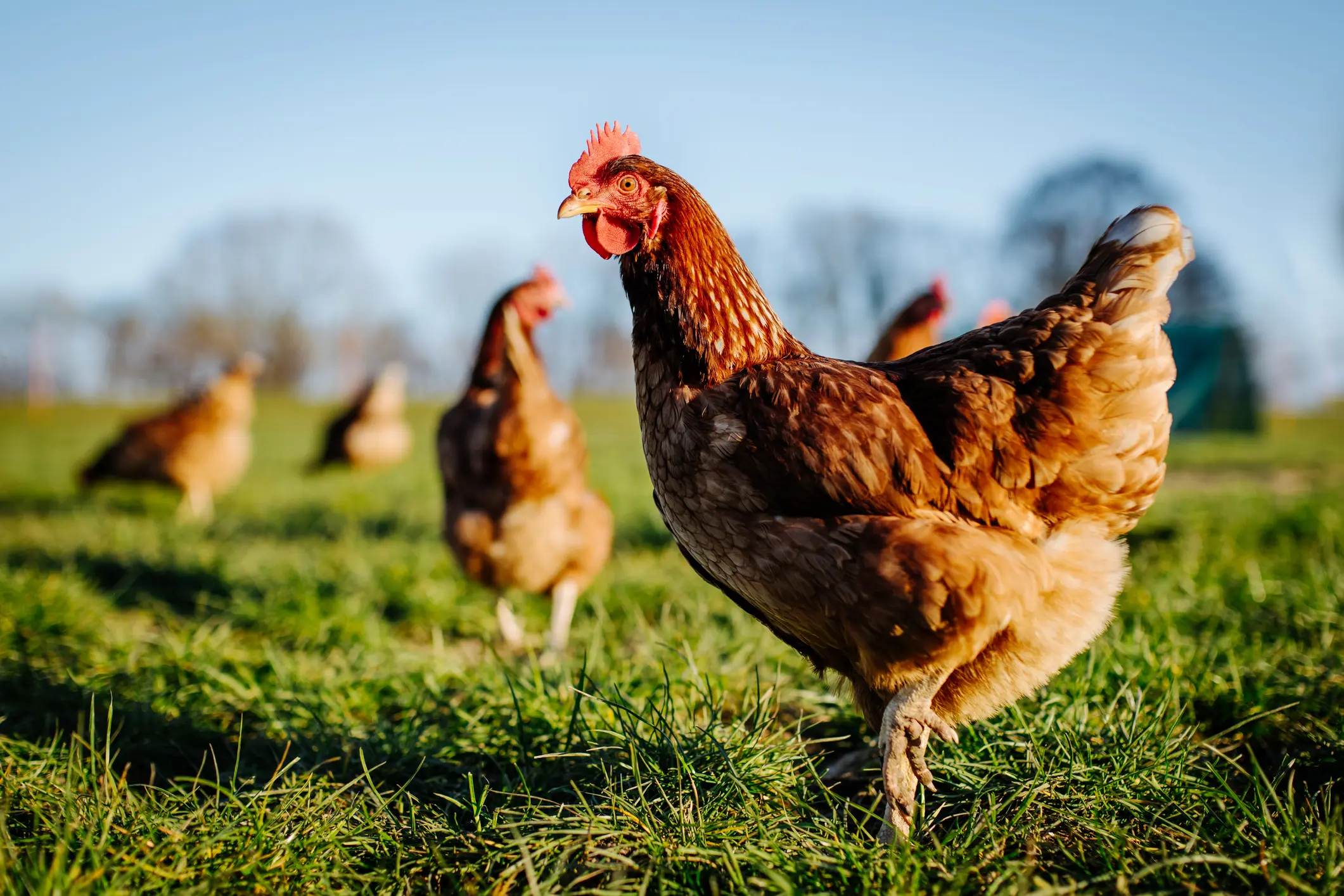
Biodiversity: In the Chicken Industry, improved biodiversity can be supported through a focus on Chicken breed- aiming for slower growing, heritage styles (40+ days lifespan). Further, exploring ‘dual-breed’ animals that are used for both eggs & meat will dramatically reduce the number of animals required in the system, and associated carbon emissions/environmental damage.
Further biodiversity improvements can be evidenced through diversity of feed (and a move away from current reliance on soy) as well as tracking wildlife numbers against a baseline in the farm’s surrounding ecosystem.
Soil Health/Sequestration: Third party measurement showing nutrient density, quality & carbon content improves from a relevant baseline. Earthworm & mineral counting are examples of expected outcome metrics. Poultry/Laying Hen farms should also monitor and report on river clarity or other local water reserve health in order to ensure run-off damage is limited or avoided.
Space for Nature: Incorporating a poultry farm into natural woodlands is better for the Chickens’ natural behaviours as well as a simple way to ensure land is protected as part of operations. Eliminating soy feed also plays a role in protecting global forestry. Finally, investing and maintaining marginal (waterside) plant systems can assist in reducing any run-off issues into local rivers or water bodies.
Egg Fund:
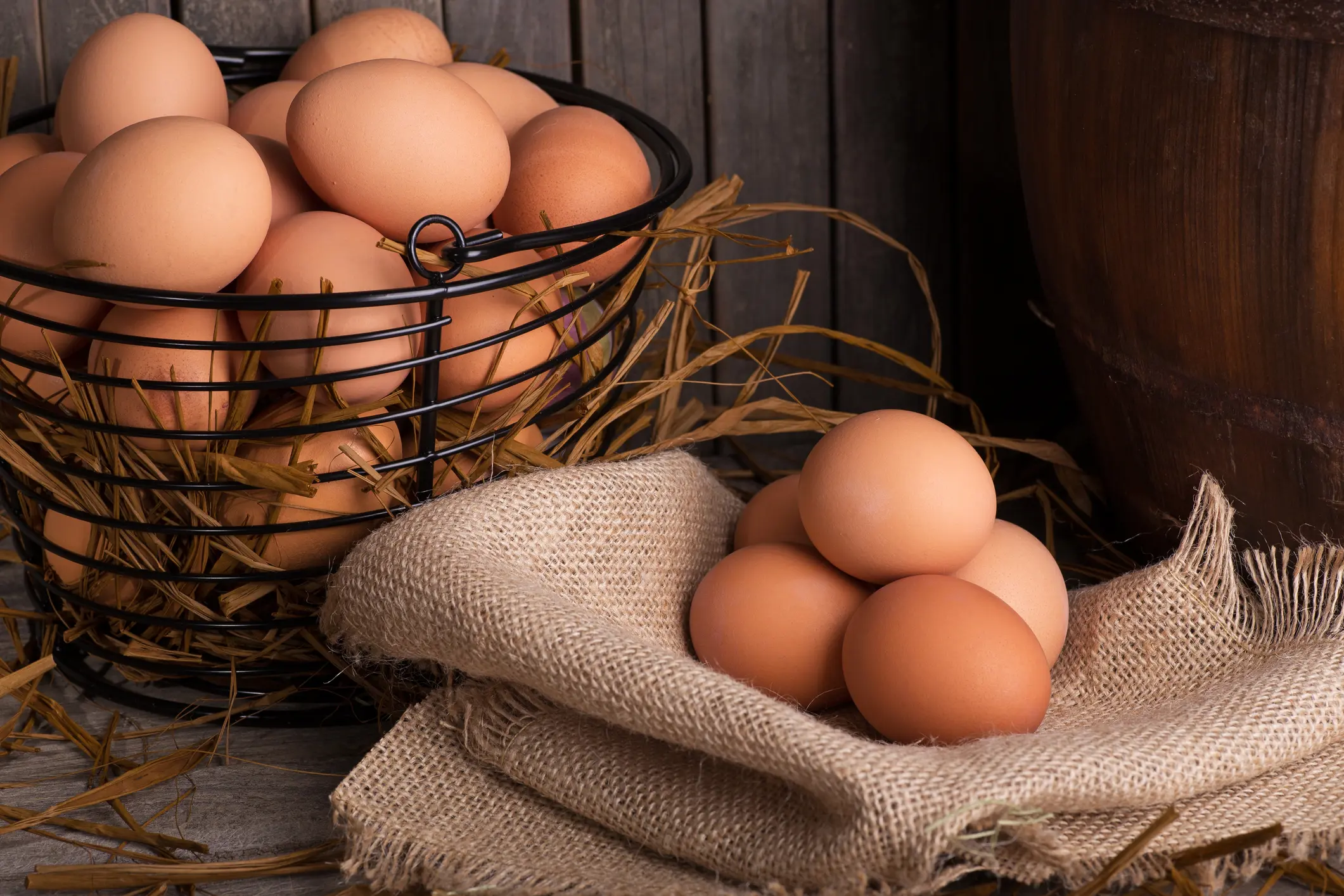
Working with our core egg supplier, we are collating 10p per dozen eggs to invest in farmer resilience & landscape-changing projects including but not limited to:
Egg Supplier
Our main egg supplier supporting with sustainability initiatives at scale.
Oranjehoen
Our Dutch Beter Leven 1 Star supplier utilising slow growing breeds and food waste based chicken feed. Will be providing frozen chicken products to the UK Market